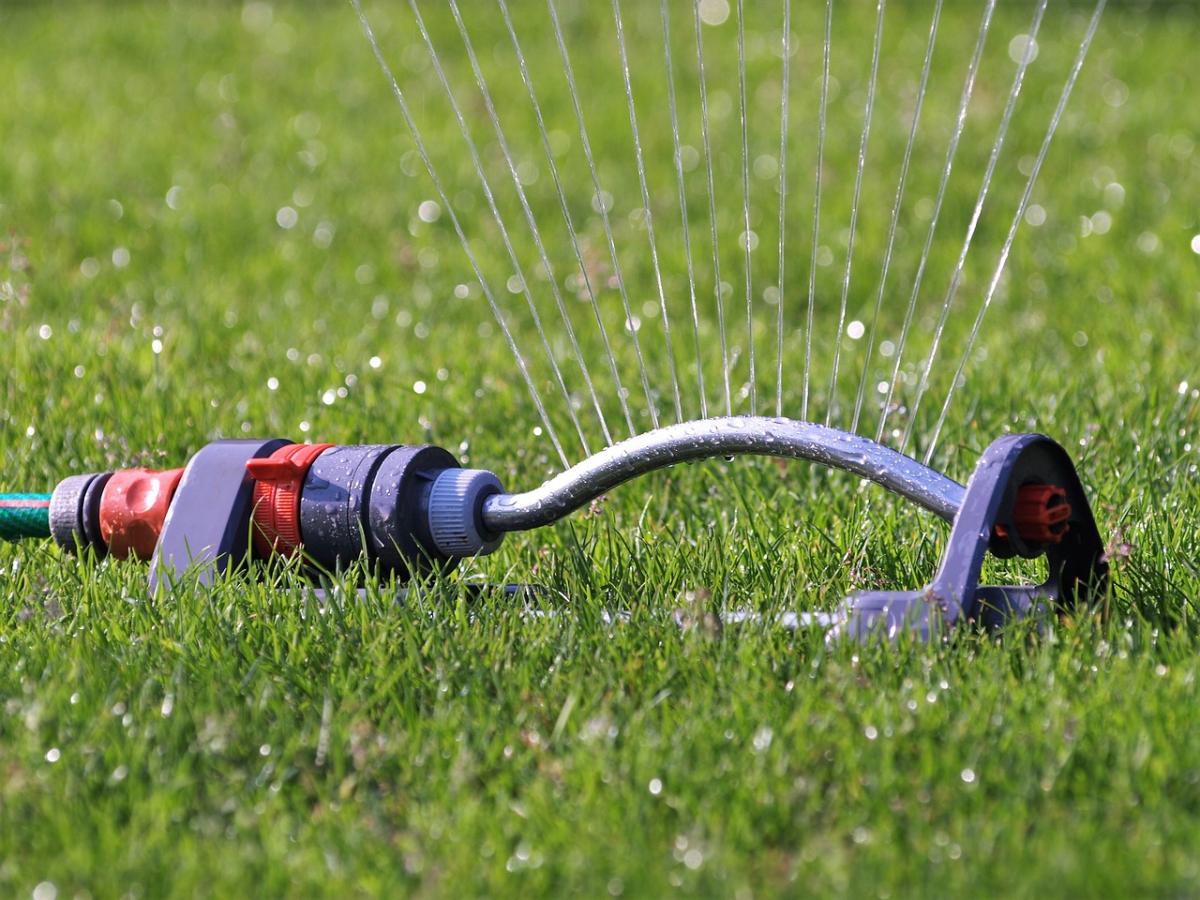
Watering your lawn at the right time makes a huge difference in how green and healthy it looks. If you want to keep your grass happy, aim for early morning. Between 6 AM and 10 AM works best. The grass has time to soak up all that water before the sun gets too hot, which helps prevent evaporation. Plus, it gives your lawn a nice drink before the day kicks into gear.
If mornings aren't possible, early evening is another good option. Watering between 6 PM and 8 PM allows the grass to absorb moisture overnight. Just make sure it’s not too late, or you might leave your lawn damp, which can invite mold and pests. No one wants that!
Avoid watering during the hottest parts of the day, like noon to 3 PM. This can lead to a lot of water being wasted as it evaporates before your grass gets a chance to use it. Plus, spraying water on hot grass can actually cause the blades to burn. Ouch!
Another crucial point is to pay attention to weather conditions. If you know it’s going to rain soon, hold off on watering. Your lawn doesn’t need extra hydration from you if Mother Nature is taking care of it!
Morning or Evening Watering Works Best
When it comes to watering your lawn, timing makes a big difference. You might be wondering whether morning or evening is the best time to give your grass a good drink. Let's break it down!
Morning watering is often the go-to choice for many lawn care enthusiasts. Giving your grass some water in the early hours lets it soak in before the heat of the day hits. This means less evaporation and more water reaching those thirsty roots. Plus, grass has time to dry off before night falls, which helps prevent diseases.
On the flip side, evening watering can work too, especially if mornings are busy for you. Watering right before dusk helps keep your grass hydrated overnight. Just be careful! If you give it a little too much at night, it might stay damp too long. That could lead to mold or other lawn problems.
So, what’s the best option? If you want to play it safe, aim for morning watering. But if evenings fit your schedule better, just monitor your lawn. Make sure there’s a balance so your grass stays healthy and lush.
Signs Your Grass Needs Water
Knowing when your grass needs a drink can save you a lot of headaches. If you’re spotting these signs, it’s time to fire up those sprinklers!
One big clue is the color of your grass. If it’s starting to look more brown than green or has a dull, dusty look, it’s craving water. Healthy grass is vibrant and lush, so keep an eye on that color!
Another sign is how the grass feels underfoot. If it feels crispy and crunchy instead of soft and springy, it’s getting dry. You want your lawn to feel like a cozy carpet, not a crunchy snack!
If you notice footprints that stay visible for too long, that’s another red flag. When you walk across your lawn and the grass doesn’t bounce back, it’s time to give it a good soaking.
Finally, check for wilting. If the blades are folding or curling, your grass is feeling stressed. Don’t wait too long; kick into action and help your lawn out with some water!
How Weather Affects Grass Sprinkles
Weather plays a huge role in how well your grass sprinkles work. If it hasn't rained in a while, your lawn might be thirsty. That means you should up your watering game to keep everything lush and happy. However, if the skies open up and you get a good downpour, you can hit pause on those sprinklers. Too much water can lead to soggy spots, which isn't great for your grass.
Temperature also makes a difference. On hot summer days, your grass can dry out quickly. It’s best to sprinkle in the early morning or late evening when the sun isn’t blazing. This helps the water soak in better before the heat evaporates it. If you try to water during the peak heat, you might just watch a lot of that precious water vanish into thin air.
Windy days can change the game too. If it’s breezy, the wind may carry your water away, meaning your lawn gets less than you think. Sprinkling on calm days ensures that most of the water actually lands where it’s supposed to. So keep an eye on your local forecast; it’ll save you time and effort in the long run.
Lastly, remember that different grass types have different needs. Some love heat, while others prefer cooler temps. Know your grass type and adjust your watering schedule based on what the weather looks like. This little bit of planning can keep your lawn green and healthy all season long!